Qatar's logistics landscape is entering a new stage. Following years of investment in ports, transport infrastructure, free zones and digital trade systems, the country is strengthening its position as a regional logistics and distribution hub.
For businesses operating in Qatar, the opportunity is significant. Improved connectivity, expanded logistics capacity and stronger trade infrastructure are creating opportunities across manufacturing, retail, energy, construction and distribution sectors. However, as supply chains become more complex, businesses face a parallel challenge: ensuring that customs, tax and internal control frameworks are ready to support increased trade activity.
What is happening with Qatar's logistics transformation?
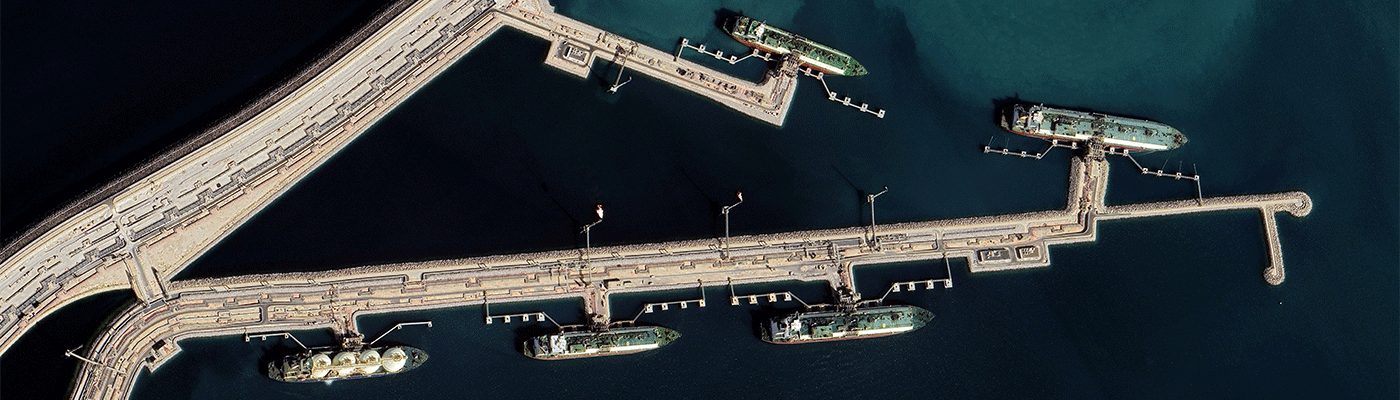
Qatar has invested significantly in developing a modern logistics network capable of supporting international trade and economic diversification. A central element of this transformation is Hamad Port, which has expanded Qatar's maritime capabilities and strengthened direct connections with international markets. The port has become a key component of Qatar's trade infrastructure, supporting container handling, general cargo and regional distribution activities.
Alongside port development, Qatar Free Zones provide platforms for businesses seeking regional manufacturing, logistics and distribution opportunities. Zones such as Ras Bufontas and Umm Alhoul Free Zones are designed to support companies involved in advanced manufacturing, logistics services and international trade.
These developments align with Qatar National Vision 2030, which aims to build a diversified, knowledge-based economy supported by strong infrastructure and private sector growth.
Why does Qatar's logistics growth matter for businesses?
A stronger logistics ecosystem creates opportunities, but it also increases operational complexity.
Companies using Qatar as a regional distribution point need to consider:
How is Qatar modernising customs procedures?
Qatar Customs continues to focus on digitalisation and trade facilitation to improve clearance efficiency while maintaining regulatory oversight. Digital customs platforms allow businesses to submit declarations electronically and manage trade documentation more efficiently. These systems support faster processing but also increase reliance on accurate data.
For businesses, digital customs means that the quality of information submitted becomes increasingly important.
Key compliance areas include:
What customs risks should importers and logistics companies review?
As customs authorities increasingly rely on data analytics and post-clearance reviews, businesses should ensure that their customs processes are robust.
Common areas of risk include:
Incorrect HS classification
The correct classification of goods determines applicable customs duties, regulatory requirements and reporting obligations. Businesses introducing new products, changing suppliers or expanding product lines should review whether classifications remain accurate.
Customs valuation
Companies should ensure that declared customs values are consistent with commercial agreements and supporting documentation. This is particularly important for multinational businesses importing goods from related parties.
Documentation controls
Businesses should maintain consistency between purchase agreements, invoices, shipping documents, customs declarations, accounting records. Strong documentation reduces the risk of disputes and supports efficient customs clearance.
How can BDO Qatar help?
BDO Qatar supports businesses navigating the interaction between logistics growth, customs requirements, tax obligations and financial governance. Our tax, advisory and assurance specialists help organisations review customs processes, assess tax implications, strengthen internal controls and improve operational resilience.
Frequently asked questions
Is Qatar part of the GCC Railway network?
Qatar is included in the GCC Railway vision. However, unlike Oman and Saudi Arabia, Qatar's logistics strategy is currently more focused on ports, free zones, aviation connectivity and maritime trade infrastructure.
Why is Hamad Port important for Qatar's economy?
Hamad Port strengthens Qatar's international trade connectivity and supports the country's role as a regional logistics and distribution centre.
What customs issues should businesses in Qatar review?
Businesses should focus on HS classification accuracy, customs valuation, documentation quality, Rules of Origin and alignment between customs and financial records.
Does Qatar have VAT?
Qatar has not implemented VAT as of 2026. However, businesses operating across GCC markets should continue monitoring indirect tax developments and assessing potential future impacts.
For businesses operating in Qatar, the opportunity is significant. Improved connectivity, expanded logistics capacity and stronger trade infrastructure are creating opportunities across manufacturing, retail, energy, construction and distribution sectors. However, as supply chains become more complex, businesses face a parallel challenge: ensuring that customs, tax and internal control frameworks are ready to support increased trade activity.
What is happening with Qatar's logistics transformation?
Qatar has invested significantly in developing a modern logistics network capable of supporting international trade and economic diversification. A central element of this transformation is Hamad Port, which has expanded Qatar's maritime capabilities and strengthened direct connections with international markets. The port has become a key component of Qatar's trade infrastructure, supporting container handling, general cargo and regional distribution activities.
Alongside port development, Qatar Free Zones provide platforms for businesses seeking regional manufacturing, logistics and distribution opportunities. Zones such as Ras Bufontas and Umm Alhoul Free Zones are designed to support companies involved in advanced manufacturing, logistics services and international trade.
These developments align with Qatar National Vision 2030, which aims to build a diversified, knowledge-based economy supported by strong infrastructure and private sector growth.
Why does Qatar's logistics growth matter for businesses?
A stronger logistics ecosystem creates opportunities, but it also increases operational complexity.
Companies using Qatar as a regional distribution point need to consider:
- customs efficiency;
- inventory management;
- supplier relationships;
- cross-border documentation;
- tax compliance;
- regulatory reporting.
How is Qatar modernising customs procedures?
Qatar Customs continues to focus on digitalisation and trade facilitation to improve clearance efficiency while maintaining regulatory oversight. Digital customs platforms allow businesses to submit declarations electronically and manage trade documentation more efficiently. These systems support faster processing but also increase reliance on accurate data.
For businesses, digital customs means that the quality of information submitted becomes increasingly important.
Key compliance areas include:
- HS code classification;
- customs valuation;
- country of origin documentation;
- import licences;
- supporting commercial documentation.
What customs risks should importers and logistics companies review?
As customs authorities increasingly rely on data analytics and post-clearance reviews, businesses should ensure that their customs processes are robust.
Common areas of risk include:
Incorrect HS classification
The correct classification of goods determines applicable customs duties, regulatory requirements and reporting obligations. Businesses introducing new products, changing suppliers or expanding product lines should review whether classifications remain accurate.
Customs valuation
Companies should ensure that declared customs values are consistent with commercial agreements and supporting documentation. This is particularly important for multinational businesses importing goods from related parties.
Documentation controls
Businesses should maintain consistency between purchase agreements, invoices, shipping documents, customs declarations, accounting records. Strong documentation reduces the risk of disputes and supports efficient customs clearance.
How can BDO Qatar help?
BDO Qatar supports businesses navigating the interaction between logistics growth, customs requirements, tax obligations and financial governance. Our tax, advisory and assurance specialists help organisations review customs processes, assess tax implications, strengthen internal controls and improve operational resilience.
Frequently asked questions
Is Qatar part of the GCC Railway network?
Qatar is included in the GCC Railway vision. However, unlike Oman and Saudi Arabia, Qatar's logistics strategy is currently more focused on ports, free zones, aviation connectivity and maritime trade infrastructure.
Why is Hamad Port important for Qatar's economy?
Hamad Port strengthens Qatar's international trade connectivity and supports the country's role as a regional logistics and distribution centre.
What customs issues should businesses in Qatar review?
Businesses should focus on HS classification accuracy, customs valuation, documentation quality, Rules of Origin and alignment between customs and financial records.
Does Qatar have VAT?
Qatar has not implemented VAT as of 2026. However, businesses operating across GCC markets should continue monitoring indirect tax developments and assessing potential future impacts.